



Shape the places where life happens.

Landscape architecture is a multidisciplinary profession dedicated to designing meaningful outdoor spaces that are beautiful, functional, and sustainable. From parks and playgrounds to city streets, plazas, campuses, waterfronts, trails, residential communities, and natural areas, landscape architects plan, design, and create places that are built to last. Their work is more than making places look good, landscape architects connect people with nature, support healthy communities, and help address some of the most urgent challenges of our time - including climate change, biodiversity loss, urban growth, and social equity.
Landscape architecture is a recognized STEM profession
Landscape architects combine creativity with science, engineering, ecology, and community engagement. They think about how people move, gather, interact, and experience a place, while also considering wildlife, soil type and health, water movement, plants, climate, accessibility, and long-term sustainability.
You experience landscape architecture every day—when you relax in a park, walk along a street or waterfront, attend a festival in a public square, or explore a trail in nature. These places don’t just happen; they are carefully designed.
What Do Landscape Architects Do?
Landscape architects work on projects of all scales, from small gardens to large regional plans. They can:
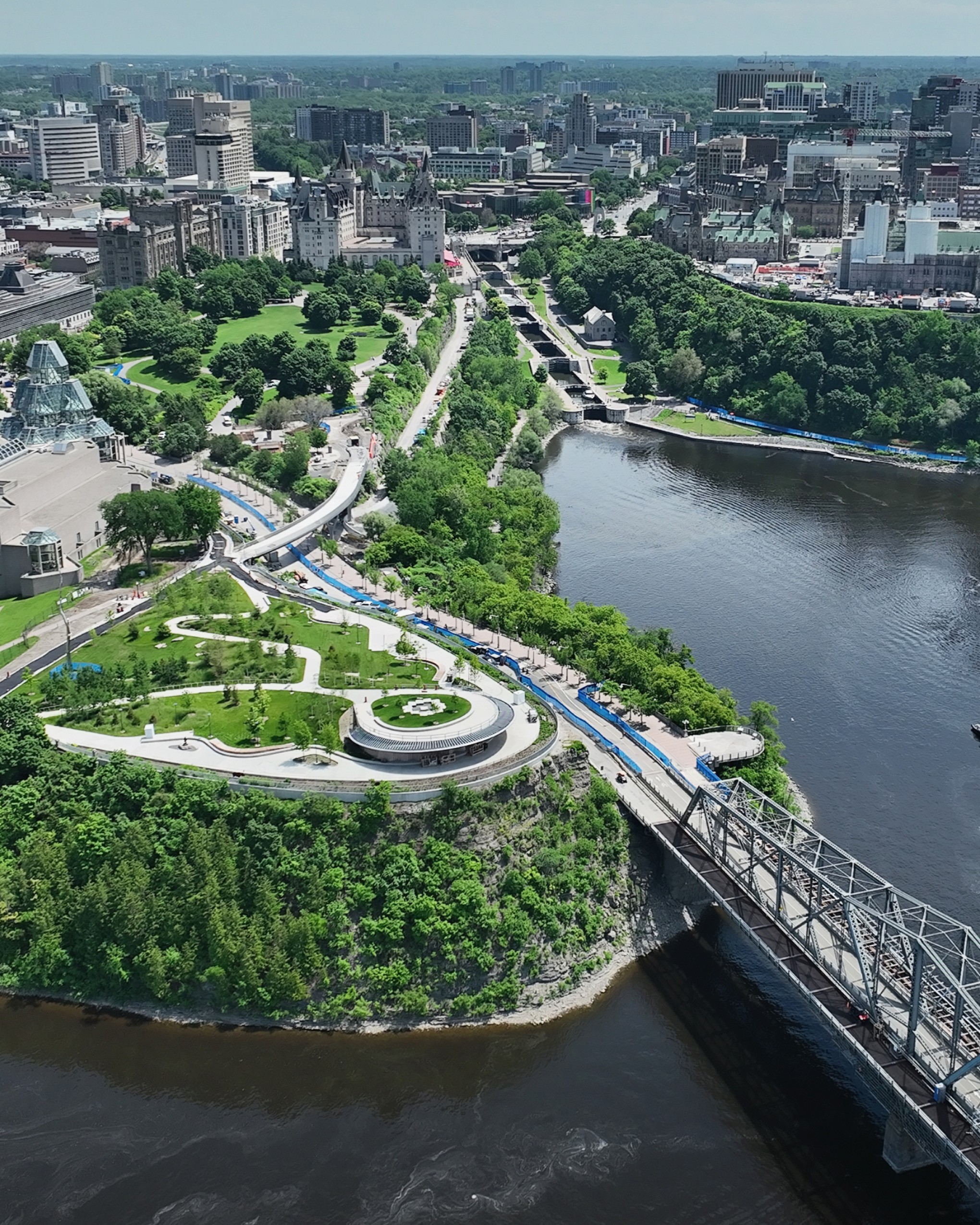
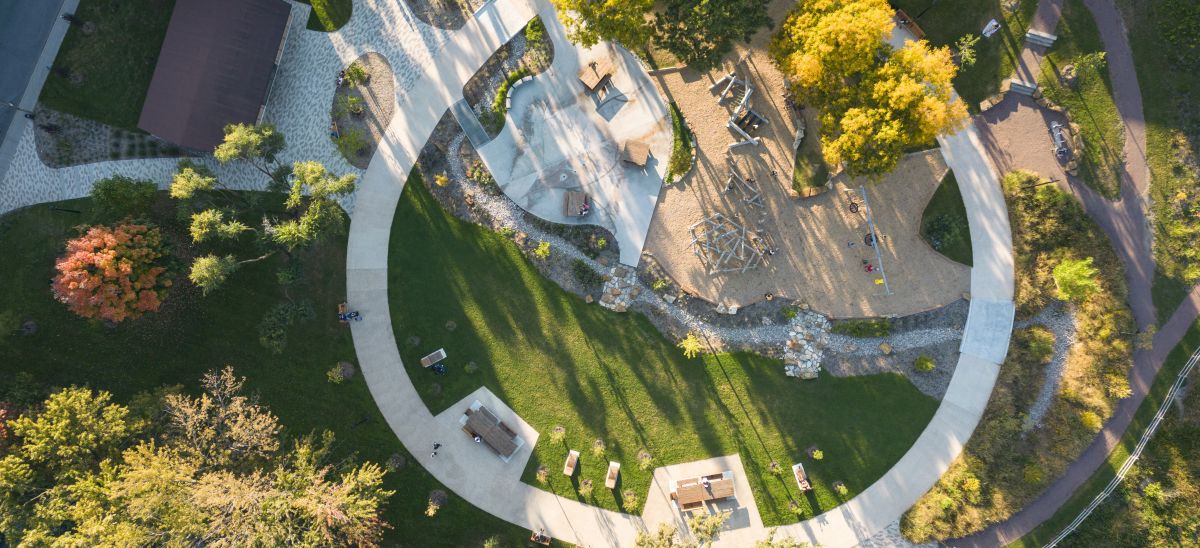
- Design public parks, playgrounds, and plazas
- Plan sustainable communities and neighbourhoods
- Restore natural environments such as wetlands, shorelines, and forests
- Design campuses for schools and universities
- Create trails, greenways, streetscapes and waterfronts
- Integrate strategies and solutions to manage stormwater and reduce flooding, such as rain gardens, green roofs, permeable pavement, and tree planting
- Contribute to climate adaptation and resilience planning
- Develop policies and guidelines to direct sustainable development and protect nature
Their work blends artistic vision with technical knowledge to create places that improve quality of life. Landscape architects:
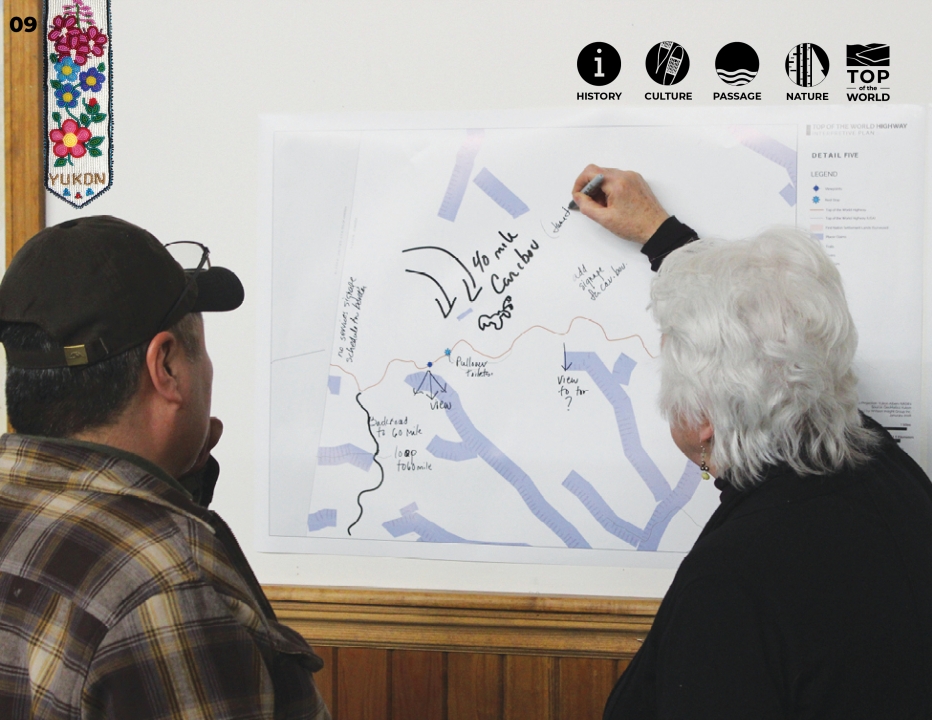
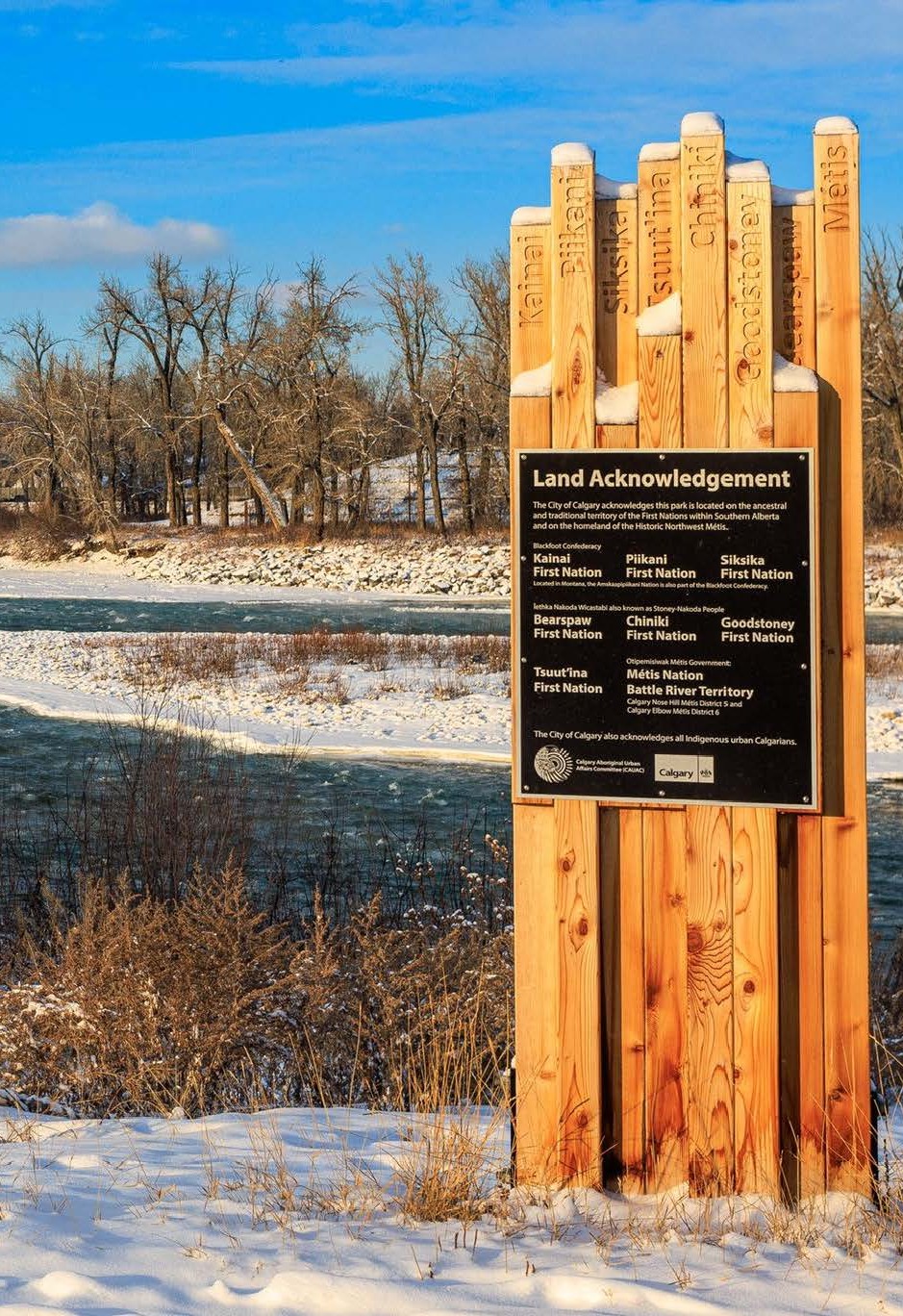
- Make a positive impact by addressing climate change, protecting ecosystems, and creating inclusive public spaces where people can connect and thrive
- Use both creativity and science by combining design, ecology, environmental science, and problem-solving.
- Work on meaningful, visible projects shaping real places that contribute to everyday life and help build a sense of belonging.
Collaborate with others, working with a wide range of professionals including architects, engineers, and planners, as well as communities.
See videos about the work landscape architects are doing across Canada:




Who Should Consider Landscape Architecture?
Landscape architecture is an ideal career for people who are creative, curious, and care about the environment and communities. Landscape architecture also presents the rare opportunity to combine disciplines and shape outdoor spaces from regional master planning down to small private spaces.
Landscape architecture may be right for you if you enjoy:
- Art, drawing, or design
- Nature, plants, and environmental issues
- Geography, science, or ecology
- Problem-solving and creative thinking
- Improving communities and public spaces
- Working both indoors and outdoors
Students from many backgrounds succeed in landscape architecture, including arts, sciences, and environmental studies.
Diversity Matters!
Our connection to places is influenced by our lived experience, cultural perspectives and attitudes towards nature and our surroundings. When the profession reflects diverse backgrounds and perspectives, landscape architects can design spaces that feel welcoming and meaningful for more people. Greater representation helps foster belonging, inclusion, appreciation and care for our communities and the environment.
Where Can a Career in Landscape Architecture Take You?
Landscape architects work in many settings, including:
- Private design firms
- Municipal, provincial, and federal governments
- Parks and conservation agencies
- Planning and engineering firms
- Non-profit organizations
- Universities and research institutions
Some landscape architects specialize in areas such as ecological restoration, urban design, climate adaptation, or community engagement.
How to Become a Landscape Architect in Canada
Becoming a landscape architect is a structured but rewarding process.
1. Start Exploring Now
If you are interested in landscape architecture, you can:
- Take courses in art, biology, geography, environmental science, or design
- Visit parks and public spaces and observe how they are designed
- Research landscape architecture programs and online courses
- Talk to practicing landscape architects
- Explore summer jobs or volunteer opportunities related to the environment or design
2. Complete a Degree in Landscape Architecture
Most landscape architects start with a degree from an accredited landscape architecture program. In Canada, this typically means one of the following:
- Bachelor of Landscape Architecture (BLA)
Master of Landscape Architecture (MLA)
Alternatively, you can complete a Bachelor’s degree in another subject (such as architecture, geography, environmental sciences, or another related discipline) and apply to the Master of Landscape Architecture programs, or study in a related but non-accredited program and have a longer professional development experience process. Learn more about the landscape architecture university programs in Canada.
What You’ll Study
Landscape architecture programs include courses such as:
- Design studios
- Ecology and environmental systems
- Plants and planting design
- Site engineering and construction
- Climate adaptation and sustainability
- Urban design and public space design
- Master planning
- Digital tools and visualization
You will also work on real-world design projects and develop a design portfolio.
Why Study Landscape Architecture in Canada?

Canadian landscape architecture programs are internationally recognized and prepare graduates to work across Canada and beyond. Accredited programs meet rigorous national standards and are recognized by professional associations across North America.
The Landscape Architecture Canada Foundation (LACF) offers an array of national and regional scholarships to students studying in accredited programs. Learn more here
3. Gain Professional Experience
After graduation, would contact the local component association to learn about the process to be recognized as a landscape architect in that jurisdiction. In most jurisdictions, you will work under the supervision of a registered landscape architect. This internship period allows you to develop professional skills and experience working on real projects.
4. Become Registered in the Jurisdiction where you Work
To call yourself a landscape architect and practice professionally, you must become registered through your provincial or territorial association. Earning the title landscape architect in the region where you work demonstrates your qualifications and professional competence. This involves meeting your association’s requirements, and, depending on where you intend to practice, could include:
- Completing required professional experience.
- In some provinces or territories, passing the Landscape Architect Registration Examination (LARE).
- In some provinces or territories, completing an independent study or local professional exam.
Handouts, Books and Other Information
- What is Landscape Architecture? [Handout]
- Green Cities: How Green Infrastructure Helps Urban Centers Thrive by Sheila Boudreau [Book]
- Top 10 Reasons Landscape Architecture Can Save the World [Poster]
- landED Green Guide: The How-to Manual for Schoolyard Sustainability [PDF Guide]
- Accredited Landscape Architecture Programs in Canada [Webpage]
- Landscape Architecture Canada Foundation (LACF) Scholarships [Webpage]
Videos