


 Landscape architecture plays a critical role in supporting pan-Canadian biodiversity and climate-resilience goals, directly aligning local projects with national and international environmental priorities.
The landADAPT Case Study Series showcases real-world examples of how Canadian landscape architects are responding to the urgent challenges of climate change and contributing to federal environmental targets and commitments, such as those under the Kunming-Montreal Global Biodiversity Framework and the UN sustainable development goals.
Landscape architecture is infrastructure—essential to creating resilient and biophilic cities. By contributing to climate resilience and adaptation, ecological restoration and long-term environmental health, these projects illustrate how landscape architecture helps to protect Canada's rich ecological heritage, reduce climate-related risks, and contribute to the design of healthier, sustainable communities.
This series is part of landADAPT, CSLA’s professional development initiative, supported by Natural Resources Canada’s Climate Change Adaptation Program.
Explore the Case Study Collection
Iona Island
Richmond, British Columbia
Dale Hodges Park 
Calgary, Alberta
Lieux publics Bonaventure![Naturalized Garden. [Rousseau Lefebvre]](/sites/csla-aapc.ca/files/landadapt%20case%20studies/Les%20lieux%20publics%20Bonaventure/bonaventure_perspective-01-planting.jpg)
Montréal, Québec
Port Lands Flood Protection Program![Biidaasige Park wetland. [S. Careri]](https://www.csla-aapc.ca/sites/csla-aapc.ca/files/landadapt%20case%20studies/Port%20Lands%20Flood%20Protection%20Program/to-port-lands_perspective-01-water-veg.jpg)
Toronto, Ontario
Niagara River Coastal Wetland Restoration
Niagara, Ontario
Fredericton’s Urban Forest Management Strategy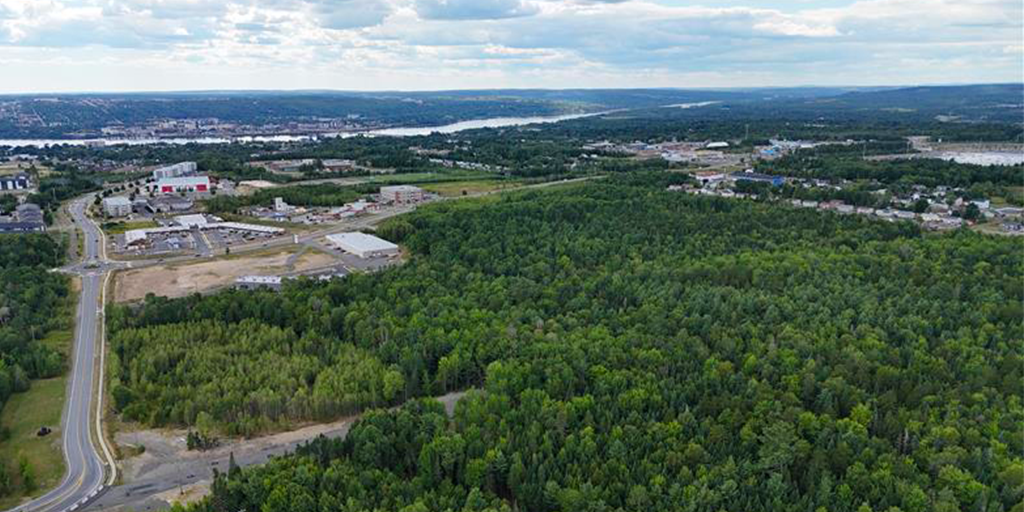
Fredericton, New Brunswick
Peter Lougheed Wildlife Overpass East of Canmore, Alberta
Power To Be Basecamp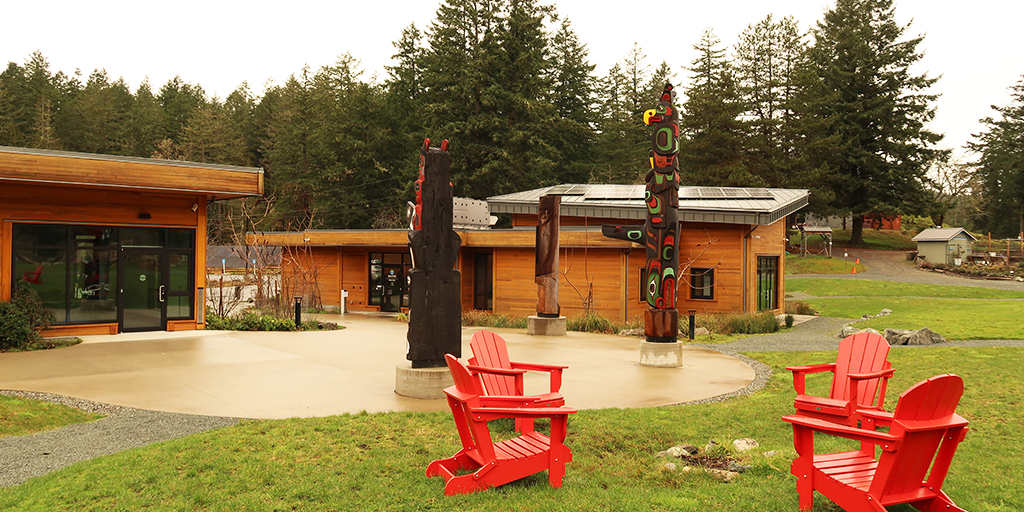 Victoria, British Columbia
St. George Street Rainway Vancouver, British Columbia
Saint-Laurent Biodiversity Corridor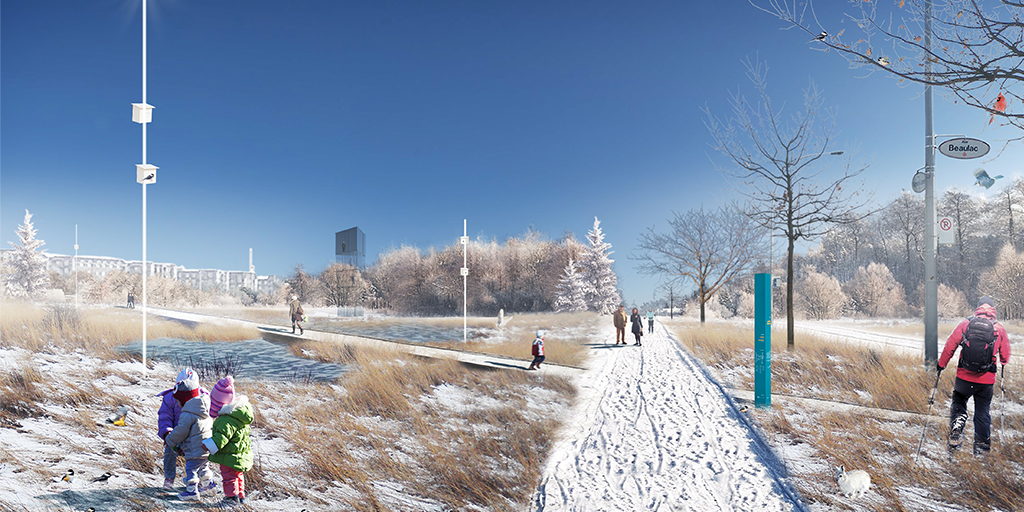 Montréal, Québec
City of Toronto's Green Roof Bylaw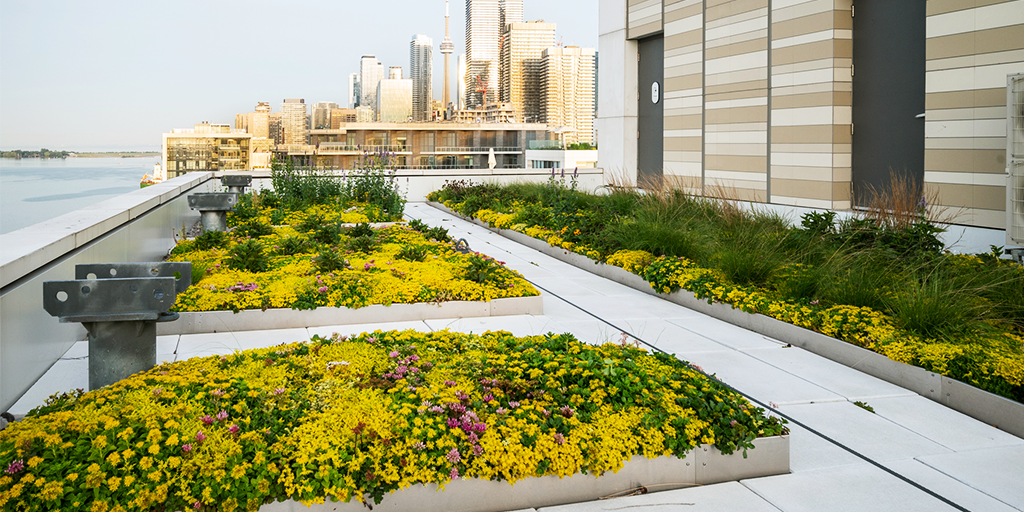 Toronto, Ontario
Grand Bay West Trail Renewal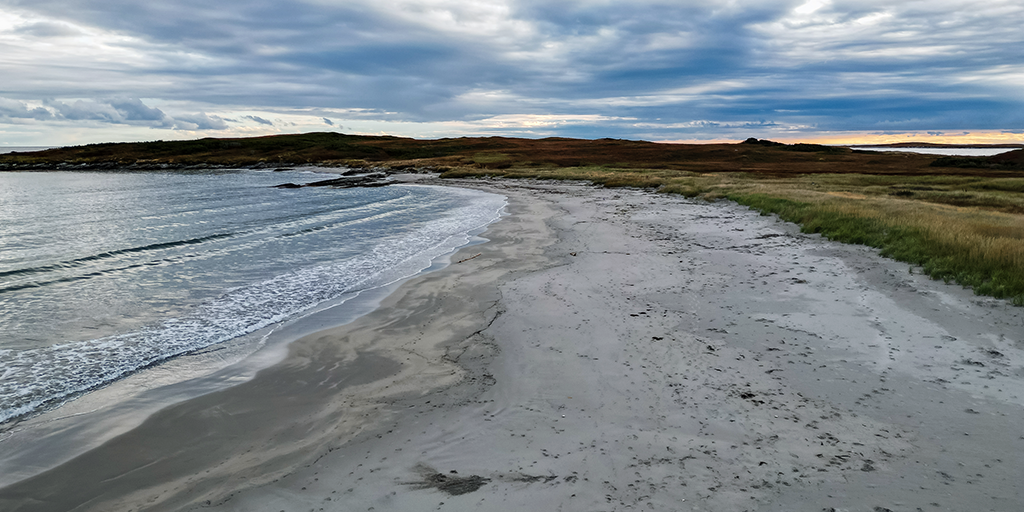 Channel-Port aux Basques, Newfoundland and Labrador
For a sneak peak at some of the upcoming projects that will be featured in the series, you can watch our case study video. This video has already been presented to international audiences and continues to be a valuable advocacy tool.
More about the landADAPT Case Studies
The landADAPT Case Study Series is intended as both an educational resource and an advocacy tool. Case studies may be used to:
- Support communication with clients, municipalities, and funding agencies about the opportunities to pursue adaptation with landscape architecture.
- Provide examples for teaching, training, and professional development.
- Contribute to broader awareness of how landscape architects are advancing Canada’s climate adaptation and biodiversity recovery goals.
Each case study was developed through a multi-step process. General project information was first collected through a call for submissions, and that information was expanded upon through research that incorporated external sources such as media articles and client perspectives, where available. Interviews with the lead designers provided deeper insight into the decision-making and collaborations that shaped the final design outcome. In some cases, site visits offered further understanding of how projects perform on the ground. Together, these steps ensure that the case studies accurately reflect the role of the landscape architect.
To maximize their impact, these case studies will also be shared across other platforms that profile climate adaptation and natural infrastructure projects. This cross-promotion will help broaden the reach of Canadian landscape architecture examples and ensure they are part of the wider national and international conversation on climate solutions.
For more information on the landADAPT program, or to submit ideas for additional case study projects, please contact Hope Parnham, CSLA Manager of Advocacy and Strategic Affairs at advocacy@csla-aapc.ca.
Thank you.
The CSLA gratefully acknowledges the volunteer members of the Committee on Climate Adaptation and Biodiversity, Roster of Climate Change Volunteers and the Case Study Working Group who contributed their time and expertise to this project.
We also thank Sabrina Careri, Environmental & Design Communications Specialist (background in Urban Planning and Landscape Architecture), for her contributions in developing and preparing the case study reports.
Supported by Natural Resources Canada’s Climate Change Adaptation Program.