


Quick Facts
Name
Bowring Park
Type of Landscape
Regional City Park
Cultural Landscape
Location
305 Waterford Bridge Rd, St. John’s, NL
GPS: 47.5223° N, 52.7547° W
Stewards
City of St. John’s
Bowring Park Foundation
Legacy:
Cornerstone of community life and identity
Historic Pride, conservation of Newfoundland’s flora & fauna, history & traditions
Precedent for integrating natural and human-centric spaces in the province

Introduction
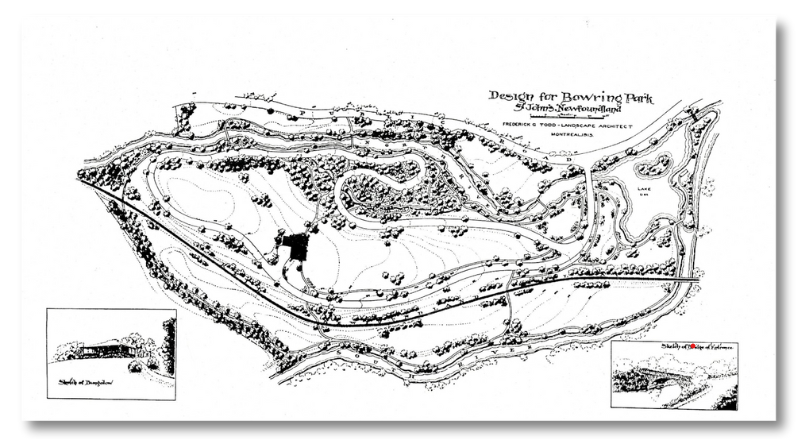
More than a century ago, Sir Edgar Bowring and his brother marked the centenary of their successful merchant company by donating a park to the old seaport city of St. John’s. To realize their philanthropic vision, the Bowring Brothers turned to Canada’s eminent designer of urban parks, Frederick G. Todd.
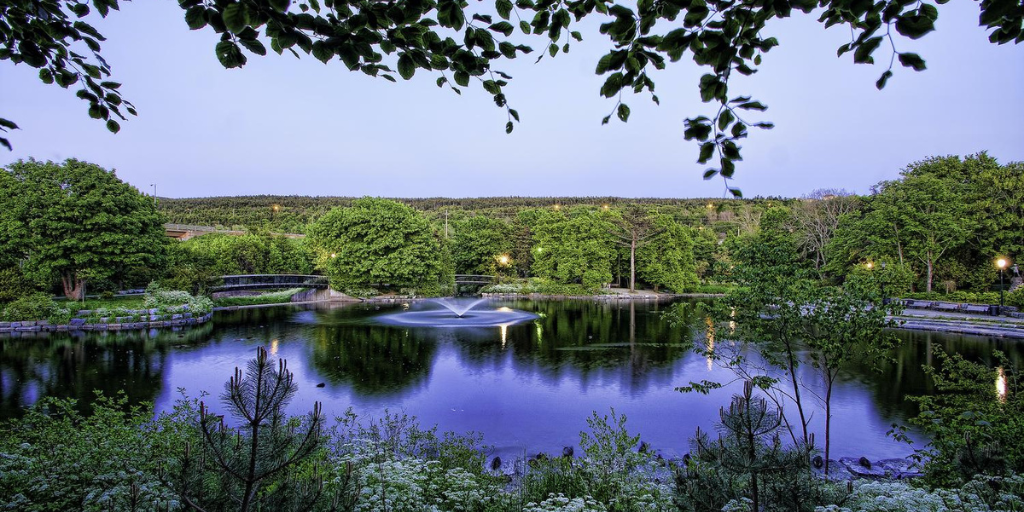
The site at the meeting of two rivers was then five kilometres from the city centre. Todd, in the Olmsted tradition, first embraced the rustic, near wild Newfoundland character of the landscape. His forward-thinking design followed the curving hills and streams to create beautifully graded paths and parkways, yet retained the densely wooded character of the surrounding lands. At the park’s eastern entrance where the waters merged, a dam formed a small lake. The Duck Pond, a local favourite, is still replete with geese, ducks and Royal Swans.
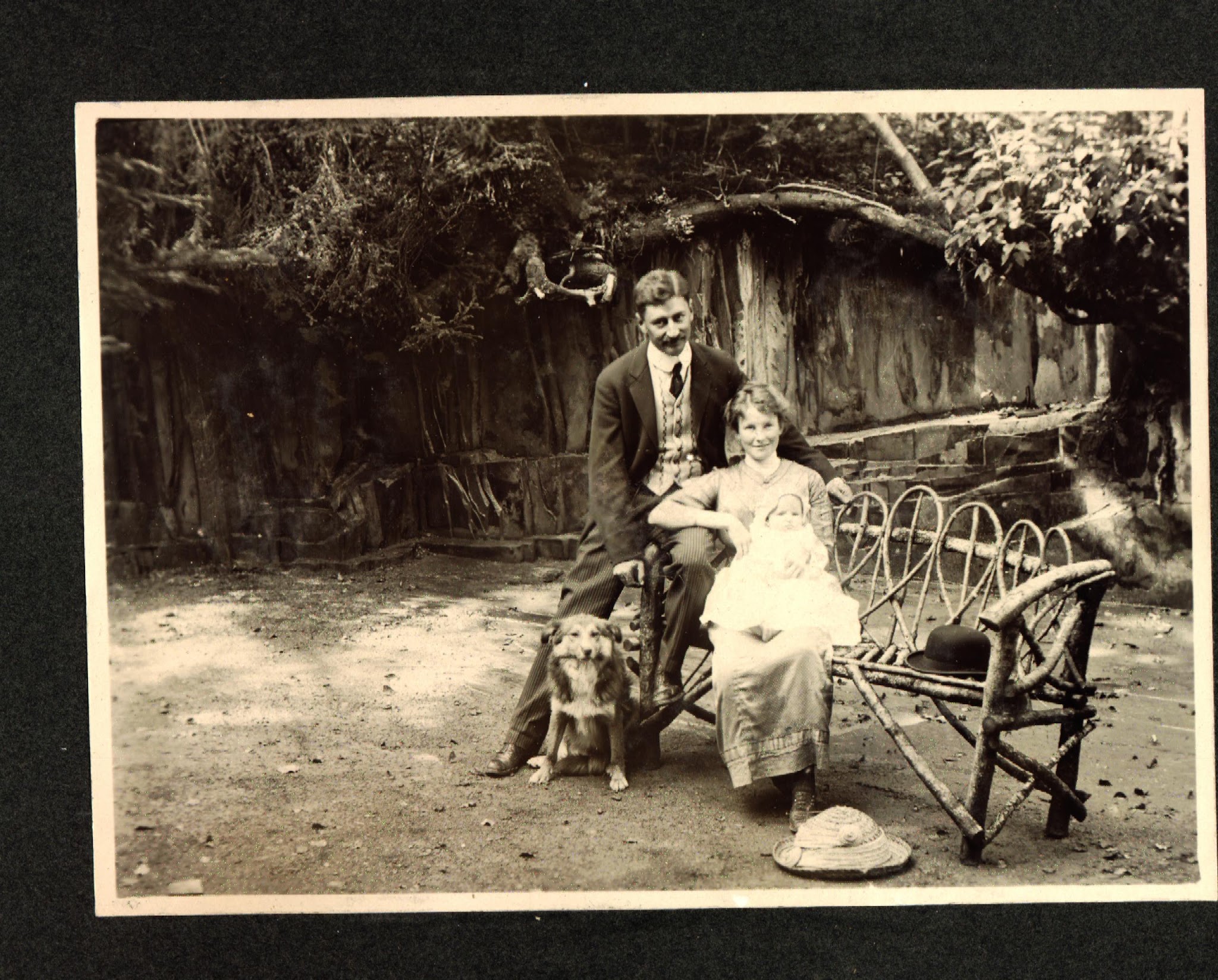
To further honour Bowring’s spirit of place, Dutch landscape architect and engineer Rudolf Cochius spent five years on site to build Todd’s park. Cochius integrated natural landscapes with human centric ones, enriching native eco-systems with thoughtful native plantings of crabapple and rhododendron to create a botanical haven. He added intimate sheltered nooks and versatile public spaces that gave way to sections of open lawn.
From its inception, Bowring Park was designed to be a living repository of community identity and memory. It became one of Canada’s most beloved parks, writes historian Ron Williams, due to “its natural character, its interesting composition… its charming idiosyncratic elements and artistic placing of diverse sculptures,” such as Peter Pan and The Caribou. Cochius’ magnificent setting for the park’s bronze caribou adds layers of historical depth here, and for the five identical works placed in battlefields abroad.
The Heart and Soul of the Park
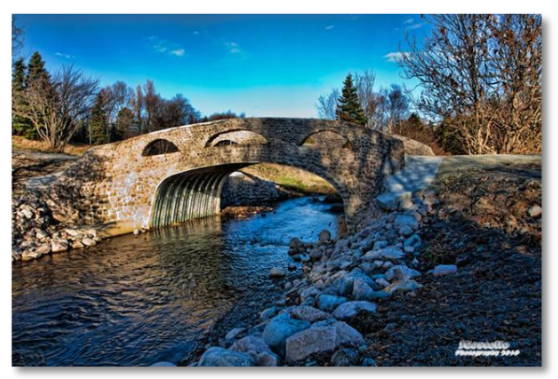
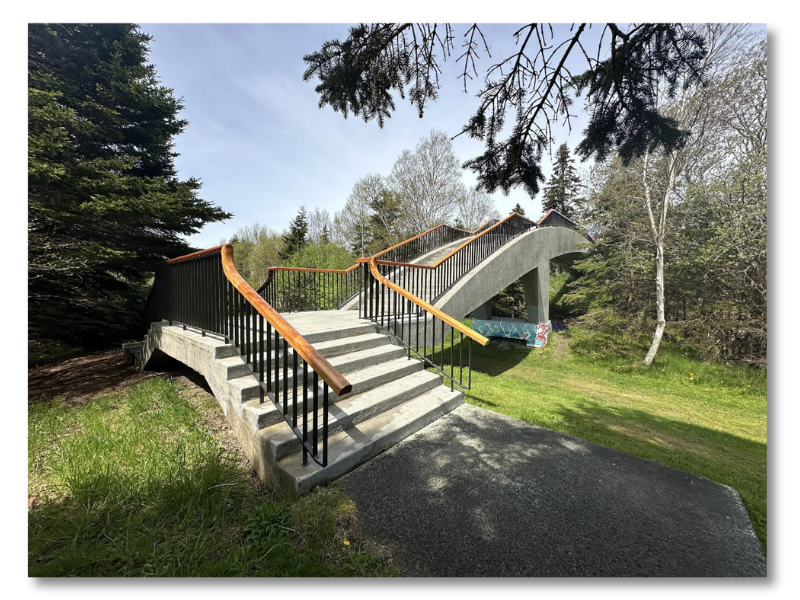
The unique Cobblestone Bridge, the intimate Slate Quarry, the crystal clear Shadow Pools, the Royal Swans: the Frederick Todd park which Rudolf Cochius built is a park as renowned for its beautiful sheltered spaces as for its ecologically healthy landscapes and its influence on community well-being.
Cochius’s five-year residence in the park (until 1917) highlights his powerful blend of personal investment and professional commitment to Todd’s plan. Cochius worked with the Newfoundland terrain, overseeing every aspect of the park’s development and seamlessly integrating the park into the natural topography. Botanists selected plant species that would thrive in the province’s rugged climate. Engineers shaped bridges and pathways to complement the contours of the land. Cochius collaborated too with renowned sculptors, making Bowring Park a keeper of community memory.
To the Joys of Childhood
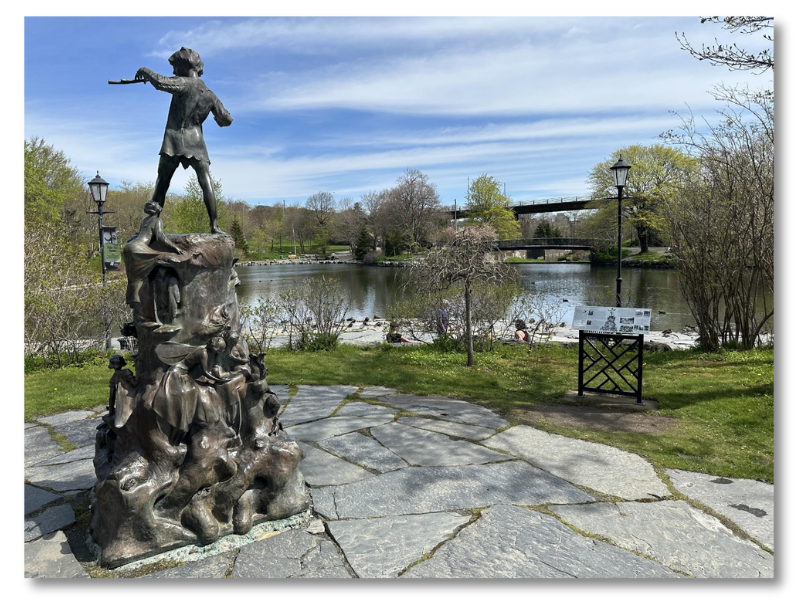
Bowring Park’s bronze Peter Pan commemorates the loss of Sir Edgar Bowring’s 4-year-old granddaughter in a tragic shipwreck in 1918. Yet its magical Pan, with fairies and animals climbing upward toward him, is a monument to the joys of childhood. The whimsical sculpture, created by renowned sculptor Sir George Frampton, is a continuing delight for the park’s visitors. Yet Frampton said that it is the spirit of Bowring Park itself, so compatible with the character of Peter Pan, that makes the statue unique.
The Trail of the Caribou
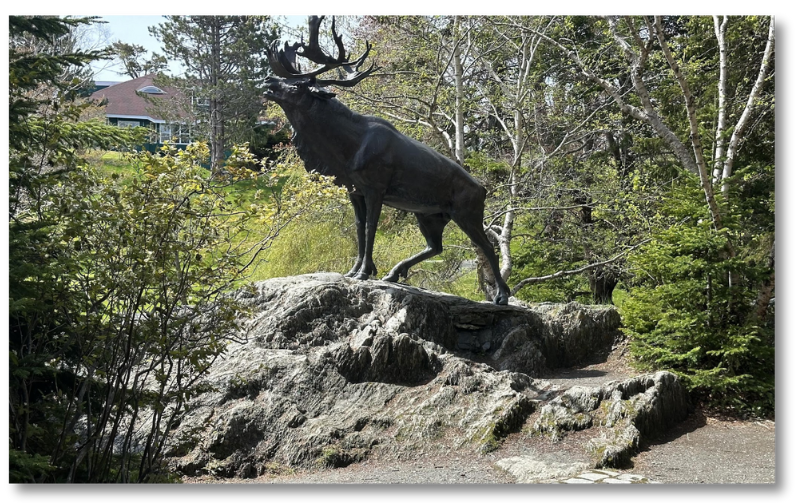
Notable is the memorial figures of The Caribou (1928), one of several identical heroic and defiant bronze sculptures by British captain and sculptor Basil Gotto. The caribou has long been a symbol of the province and, in particular, the Royal Newfoundland Regiment. Cochius placed the Bowring caribou at the summit of a stylized granite escarpment. The setting is identical to that he created for five battlefields in Europe, where legions of Newfoundlanders lost their lives. Together, The Trail of the Caribou is a poignant reminder of Newfoundland’s rugged shores, and its regiment’s sacrifices in a foreign land.
Historian Ronald Williams relates the story of The Trail of the Caribou, several identical heroic and defiant bronze sculptures created by British captain and sculptor Basil Gotto: one for Bowring Park, the others for First World War memorial battlefields in France and Belgium. “The keystone of these sites was the memorial at Beaumont-Hamel, completed in 1924,” writes Williams. “Here, the caribou, again positioned atop a dynamic and angular rocky crag, was surrounded by the topography of conflict. Trenches and bomb craters were conserved to remain as permanent reminders of the horrors of war, in contrast to the landscapes of the surrounding countryside, which have regained the bucolic aspect that is characteristic of rural France. The other memorial parks, considerably smaller, follow a similar format: the caribou is always situated at the top of a fragment of Newfoundland landscape transplanted to Europe and is always oriented to face the line of trenches that the Newfoundlanders were to attack.”
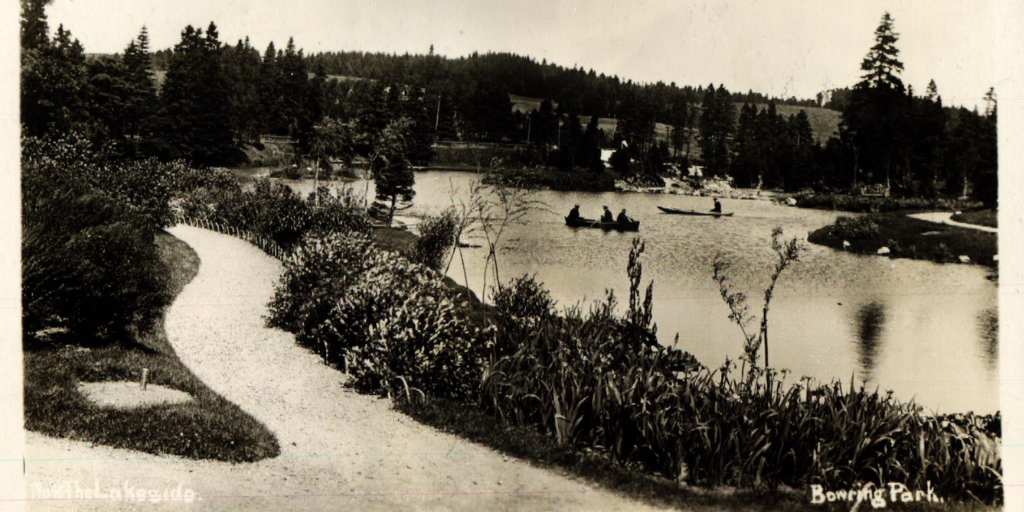

The Cultural Landscapes Legacy Collection highlights the achievements that have made a lasting impact within the field of landscape architecture and on communities across Canada.