


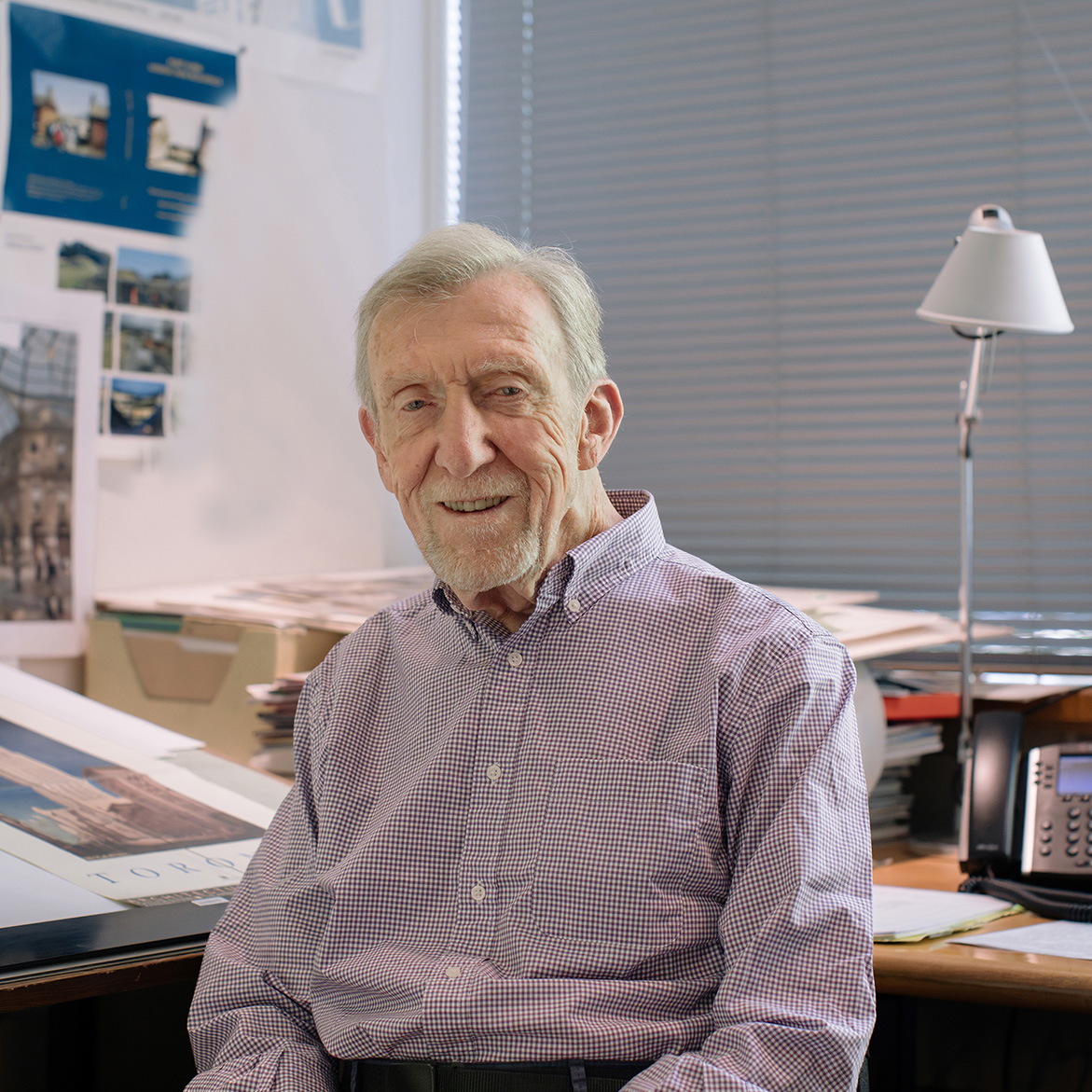
 EDMONTON – OCTOBER 5, 2026 - The Canadian Society of Landscape Architects (CSLA) is pleased to announce that Robert N. Allsopp, OALA, MALA (Hon), FCSLA, RIBA / Retired : MRTPI / MCIP / RPP is the 2026 recipient of the Governor General’s Medal in Landscape Architecture.
The Governor General’s Medal in Landscape Architecture (GGMLA) is the highest honour bestowed on a landscape architect by the CSLA. The biennial medal is intended to honour exceptional landscape architects whose lifetime achievements and contributions to the profession have had a unique and lasting impact on Canadian society.
Robert N. Allsopp will receive the medal during a ceremony to be held in January 2027 at Rideau Hall.
The impact of Robert Allsopp’s work continues to resonate—in the landscapes of the National Capital, in the practices of those he has influenced, and in the evolving stature of landscape architecture itself.
Jury Statement
Robert Allsopp is a giant of the Canadian landscape architecture profession whose extraordinary six-decade career has left an enduring mark on the profession and on the Canadian landscape.
Throughout his distinguished career, Robert has consistently broken new ground for landscape architecture, demonstrating the transformative potential of the profession through exemplary practice, education, collaboration, and advocacy. His body of work includes many notable and award-winning projects, but his influence extends far beyond individual commissions. His work with the National Capital Commission has helped shape the physical fabric of Canada’s capital, creating landscapes experienced and enjoyed by generations of Canadians and by visitors from around the world. The enduring presence of these places is a powerful testament to the quality, ambition, and integrity of his practice.
Robert’s influence has also been felt in the way landscape architecture is practiced. He expanded the boundaries of the profession through a deeply interdisciplinary approach, working across landscape architecture, architecture, planning, and related design disciplines. Through this collaborative practice, he established new relationships and higher expectations for how landscape architects contribute to complex design and planning projects. His work demonstrated that landscape architecture could—and should—play a central role in shaping the built environment. In doing so, he advanced the stature of the profession and set a high standard for collaboration, rigour, and design excellence.
A defining characteristic of Robert’s work has been his relentless commitment to the landscape. His practice reflects comprehensive thinking, clarity of purpose, and an unwavering insistence on integrity in design. He has consistently challenged conventional boundaries while maintaining a clear understanding of the responsibility of the landscape architect to people, place, and the broader public realm. His confidence and intellectual rigour as a practitioner have enabled him to push the profession forward while bringing others into a shared vision of what landscape architecture can achieve.
Robert’s legacy is equally profound as an educator and mentor. Through his teaching and professional leadership in Toronto and Manitoba, he has influenced generations of landscape architects and helped shape the practitioners who continue to contribute to the profession today. The ripple effect of his career is therefore measured not only in the landscapes he has helped create, but also in the people he has taught, mentored, inspired, and challenged to pursue a higher standard of practice.
His commitment to the profession continues today. Robert remains a valued contributor to the Canadian Society of Landscape Architects and the Landscape Architecture Canada Foundation, including through his philanthropy and sustained support for the advancement of landscape architecture in Canada. His generosity reflects the same sense of responsibility to the profession that has characterized his practice and teaching throughout his career.
Robert Allsopp’s contribution is exceptional in its depth, duration, breadth, and lasting influence. He has helped shape important Canadian landscapes, expanded the boundaries of professional practice, strengthened the role of landscape architecture within the wider design professions, and influenced generations of practitioners and educators.
About Robert N. Allsopp
Bob grew up in Leicester, England where he studied Architecture at the Leicester College of Art and Technology, winning the RIBA’s Soane Medallion national design competition shortly after graduation. He became a registered architect in 1961 and completed his first major architectural commission two years later. He then pursued graduate studies in Civic Design at the University of Edinburgh, Scotland, followed by two years as Visiting Lecturer in Architecture at the University of Kansas, USA under the auspices of the Fulbright Scholarship Program.
Returning to London, UK, he worked as an urban designer (architect/planner) on the planning of Redditch New Town and major urban regeneration projects in central London and Cardiff.
Bob moved to Canada in 1968 to take up the position of Director of Campus Planning at the University of Manitoba and subsequently became involved (with Alex Rattray) in establishing the graduate Landscape Architecture Program there. His was the first design studio in that new program.
In 1979, he joined Roger duToit Architects / duToit Associates in Toronto and began teaching in the Department of Landscape Architecture, University of Toronto. The partnership, du Toit Allsopp Hillier, was formed in 1985 and it continues as DTAH, a much-expanded, multi-dimensional design practice.
Bob is principally known for his breadth of understanding of urban design issues and his doggedness in search of deceptively simple design solutions strongly rooted in their place. His best-known work is in campus planning, urban neighbourhoods and a wide range of projects in Canada’s National Capital recognized nationally and internationally. Throughout, he has maintained volunteer involvement in local community city-building issues.
He is the recipient of the 2008 OALA Pinnacle Award, the 2016 CSLA Lifetime Achievement Award and in 2023, established the Landscape Architecture Canada Foundation’s Urban Design Fellowship.
Awards
NATIONAL CAPITAL
- Canadian Society of Landscape Architects, National Citation Award, National Capital Views Protection, 2007
- Canadian Society of Landscape Architects, Regional Citation Award, Parliamentary and Judicial Precincts Area: Site Capacity and Long Term Development Plan, 2007
- Canadian Institute of Planners, Honourable Mention, Urban Design, Parliamentary and Judicial Precincts Area: Site Capacity and Long Term Development Plan, 2007
- Ontario Professional Planners Institute, Excellence in Planning Award, Parliamentary and Judicial Precincts Area: Site Capacity and Long Term Development Plan, 2007
- American Society of Landscape Architects, Planning and Urban Design Merit, Confederation Boulevard (National Capital Commission), 1996
- American Institute of Architects, Citation for Excellence in Urban Design, Parliamentary Precinct Plan, National Capital, 1991
- Canadian Society of Landscape Architects, National and Regional Merit, Capital Commemorations, National Capital, 1991
- Canadian Society of Landscape Architects, Honours Award, Confederation Boulevard, Phase 1, 1990
- Ontario Professional Planners Institute, “Written Report” category, Parliamentary Precinct Plan, National Capital, 1990
- Canadian Society of Landscape Architects, National and Regional Honour, Parliamentary Precinct Plan, National Capital, 1989
- Progressive Architecture, Citation Award (Urban Design and Planning), Parliamentary Precinct Plan, National Capital, 1989
- The Canadian Architect, Design Award of Excellence, Confederation Boulevard, Ottawa, 1987
- Progressive Architecture, Citation Award, Ceremonial Routes, National Capital, 1987
- Ontario Association of Landscape Architects, Honour Award, Ceremonial Routes, National Capital, 1984
FORT YORK AND GARRISON COMMON
- Canadian Institute of Planners, Award for Planning Excellence, Housing category.
- Railway Lands Blocks 32 + 36 Development Strategy, 2006
- City of Toronto Architecture and Urban Design Awards, Honourable Mention, Fort York Neighbourhood Public Realm Plan, 2005
- Ontario Professional Planners Institute, Excellence in Planning/Urban Design, Fort York Neighbourhood Public Realm Plan, 2005
- Canadian Society of Landscape Architects, National Merit/Regional Honour, Fort York and Garrison Common Open Space Plan, 2002
- Canadian Society of Landscape Architects, National Merit and Regional Honour, Fort York: Setting It Right, (Friends of Fort York), 2001
“Bob’s leadership is distinguished by calm reasoning, lateral professional knowledge of several disciplines, persuasive, elegant visual communication, and the rare ability to move diverse partners toward a shared vision in the public-interest. He is one of the few Canadian landscape architects who have produced visionary plans that have become enduring national government public policy regulating design and land use on federal lands.” Linda Dicaire, BSc, BLA, MA, OALA, FCSLA
Project Images
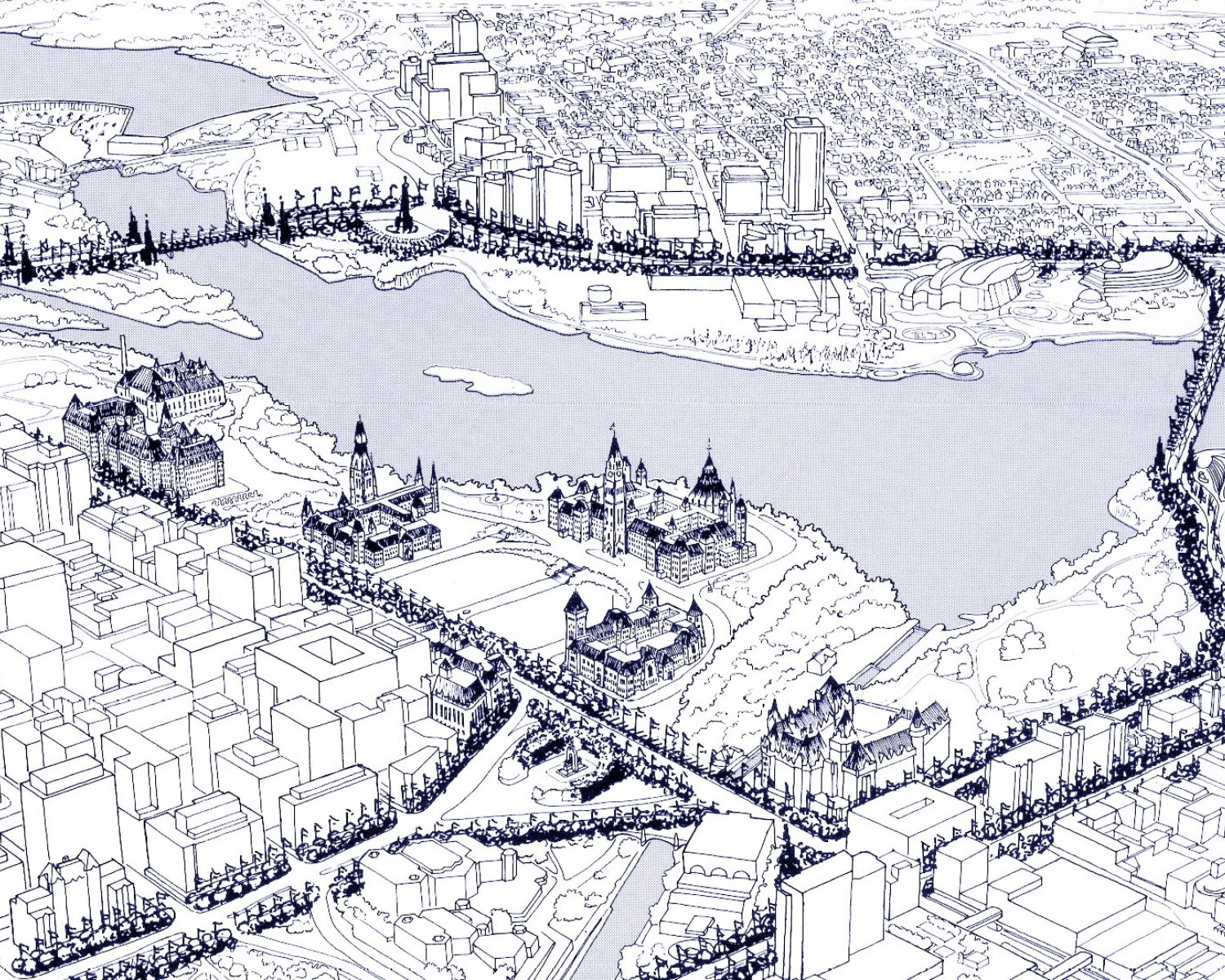
Ceremonial Routes was Robert and DTAH's second project in the Capital. This work from early 1980s set the stage for the siting of significant buildings and major public realm projects for decades.
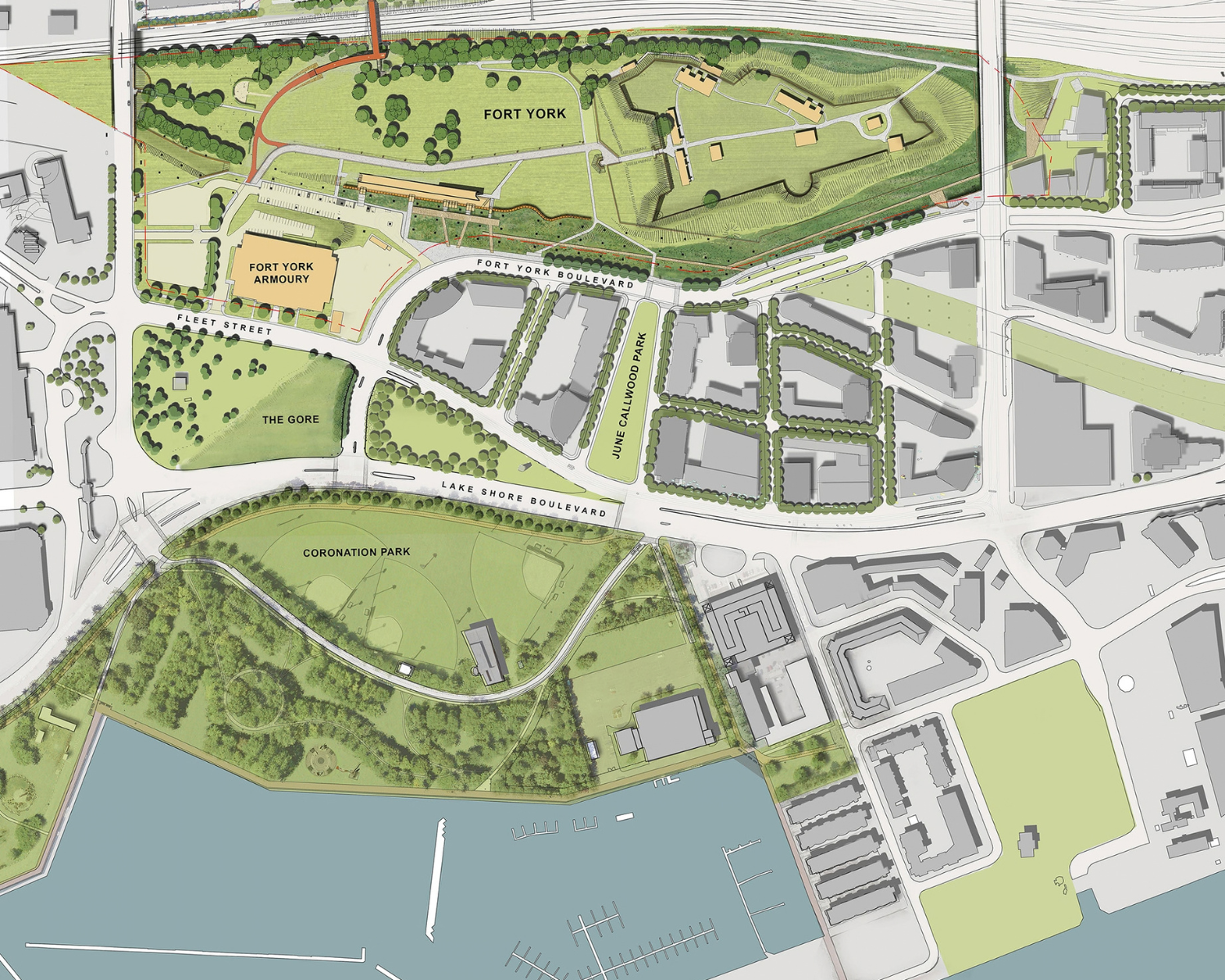
Robert has a long volunteer and professional association with Fort York and Garrison Common, an important National Historic Site in Toronto. His contributions include studies, public realm and built form plans, and advocacy to save and protect this special place as the city intensified around it.
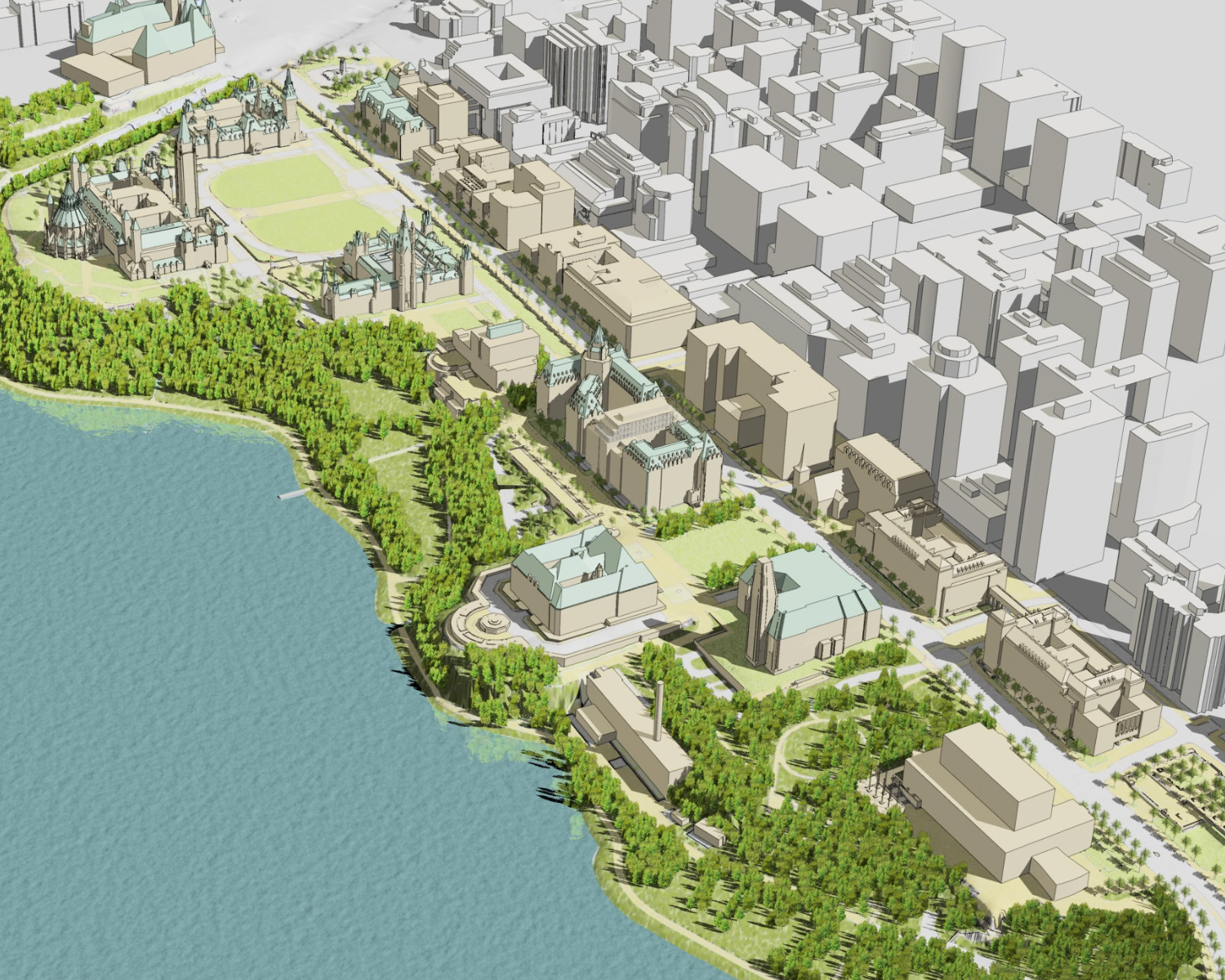
Over several decades, Robert and DTAH worked with the Federal government to prepare long range plans and numerous studies for the development of the Parliamentary and Judicial Precincts Area.
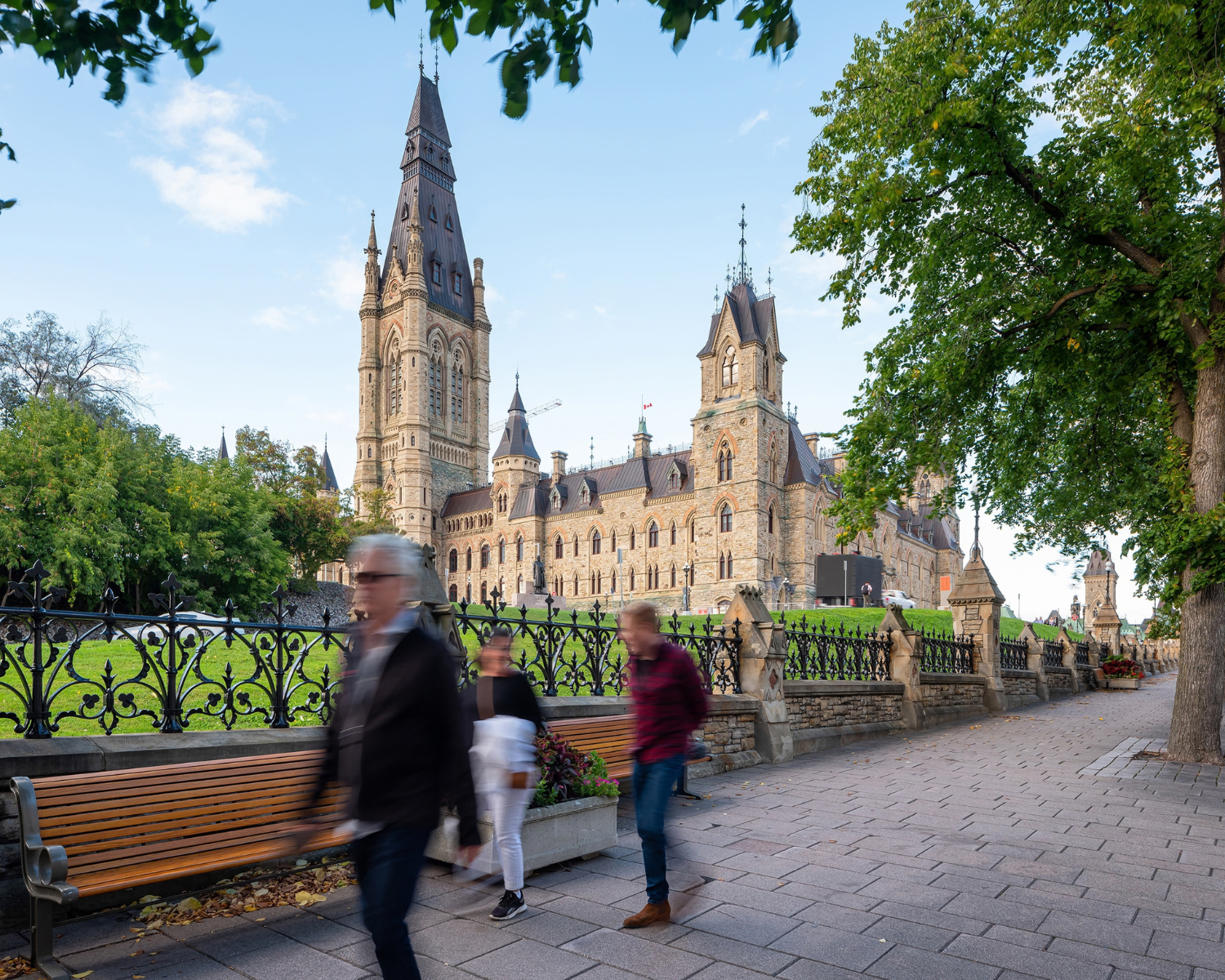
Ceremonial Routes realized with the completion of Confederation Boulevard (Wellington Street segment shown in front of West Block on Parliament Hill).
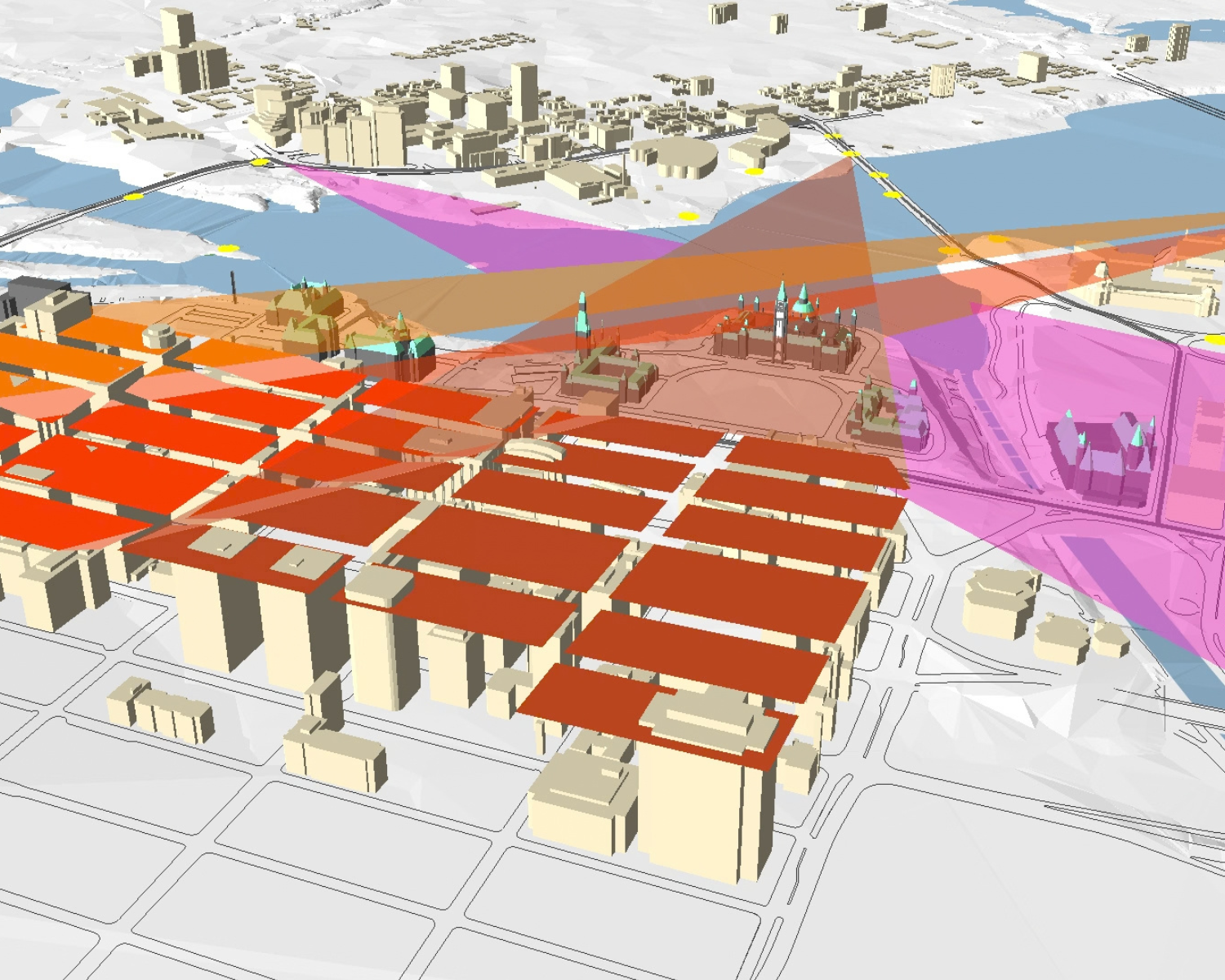
Robert and DTAH were early pioneers in the use of digital models, and with The Centre of Landscape Research from the University of Toronto, developed sophisticated methods to assist with the Views Protection of the National Symbols. This work spanned several decades and informed planning controls in Ottawa.
Additional Information
- Publications | AAPC | CSLA: co-author, with Linda Dicaire, of Chapter 7 of A Portrait of Canada’s Parliament (2022)
- MÉMOIRES DES ARCHITECTES PAYSAGISTES PIONNIERS DU QUÉBEC ET DE L'ONTARIO - AAPQ : Mémoires des architectes paysagistes pionniers : Entretien avec Robert N. Allsopp
- Five Decades of Outstanding Landscape Architecture in Ontario: Pre-1968 to 2018 | OALA : Five Decades of Outstanding Landscape Architecture in Ontario: Pre-1968 to 2018
- CSLA’s Lifetime Achievement Award
- CSLA’s Fellows biography